Author: mkadminmk

  • How to Plan Three Dinners from One Shopping List

    How to Plan Three Dinners from One Shopping List

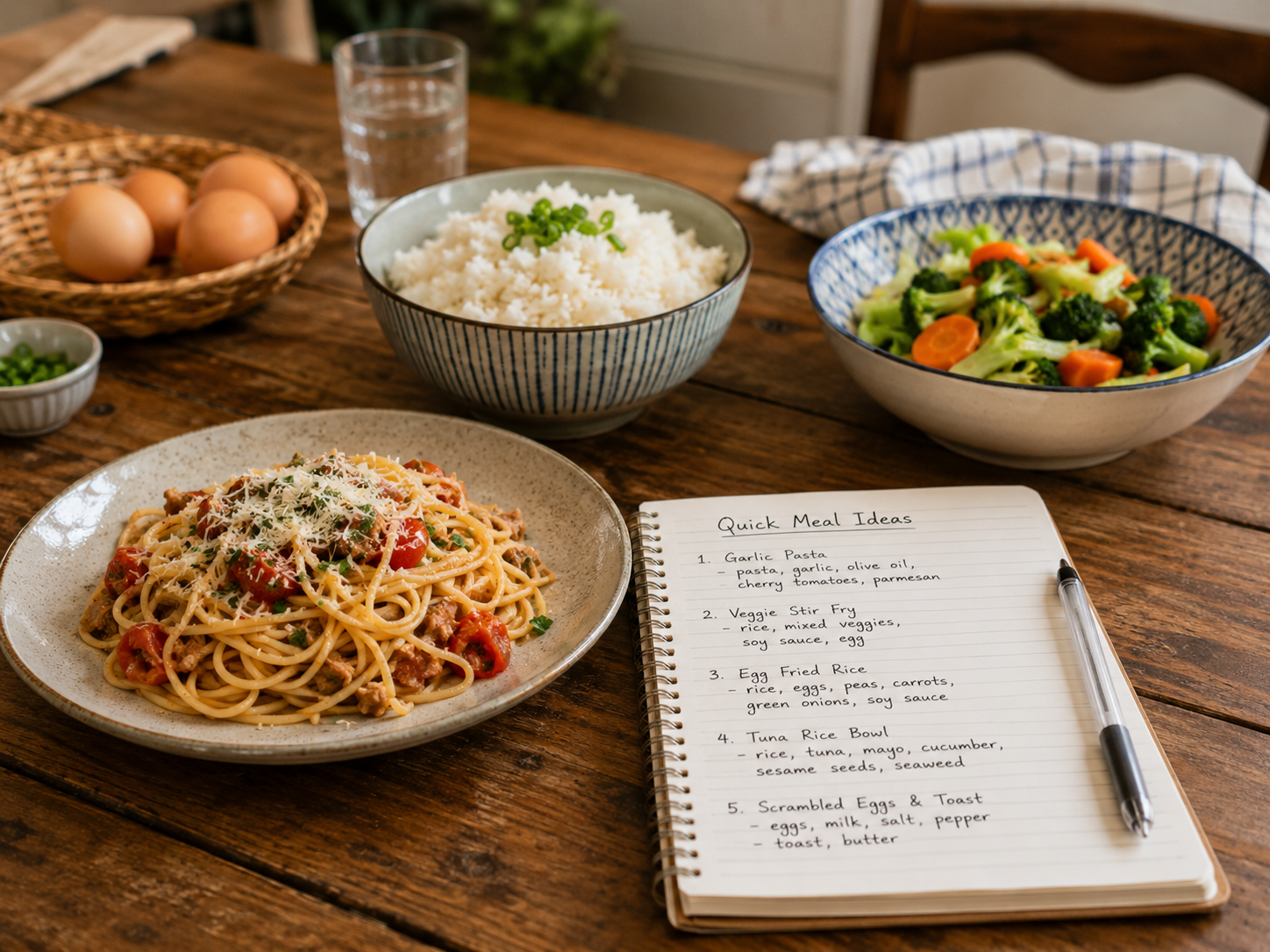
    Planning every meal for the whole week can feel like too much. A simpler approach is to plan just three dinners from one shopping list.

    This method keeps shopping easier, reduces waste, and helps you reuse ingredients in different ways. You do not need a complicated plan. You only need a few flexible ingredients and three simple dinner ideas.
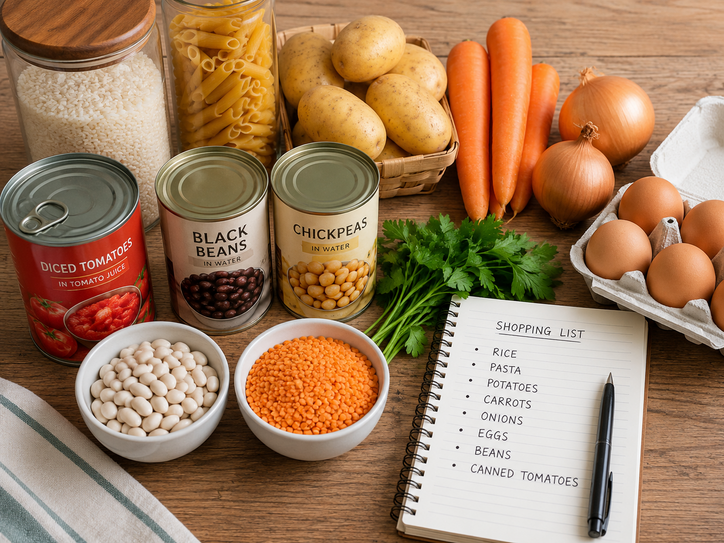
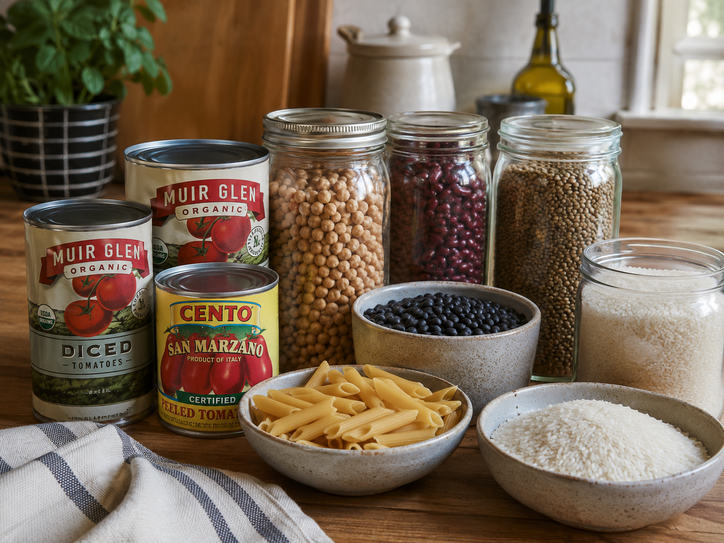
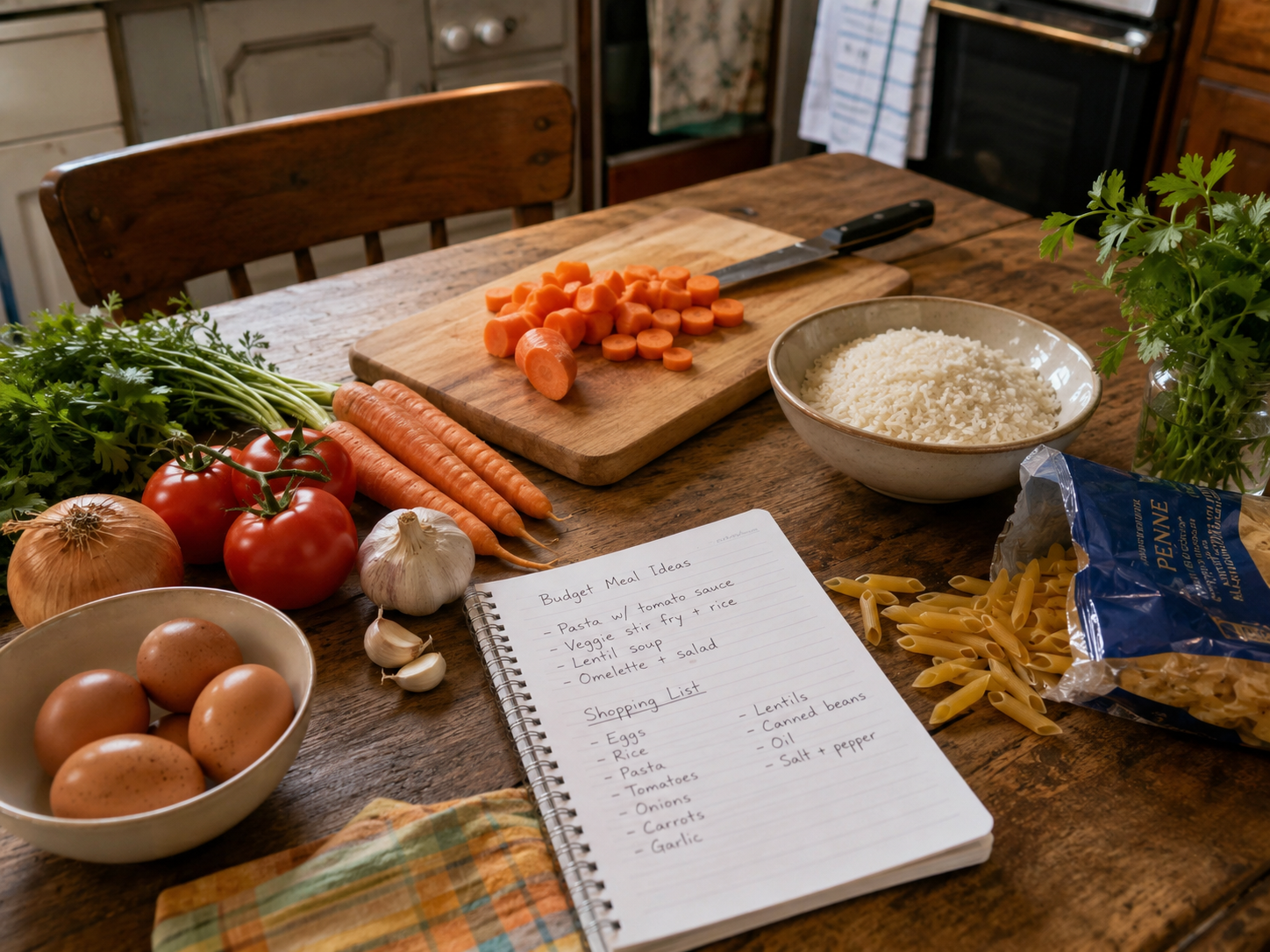
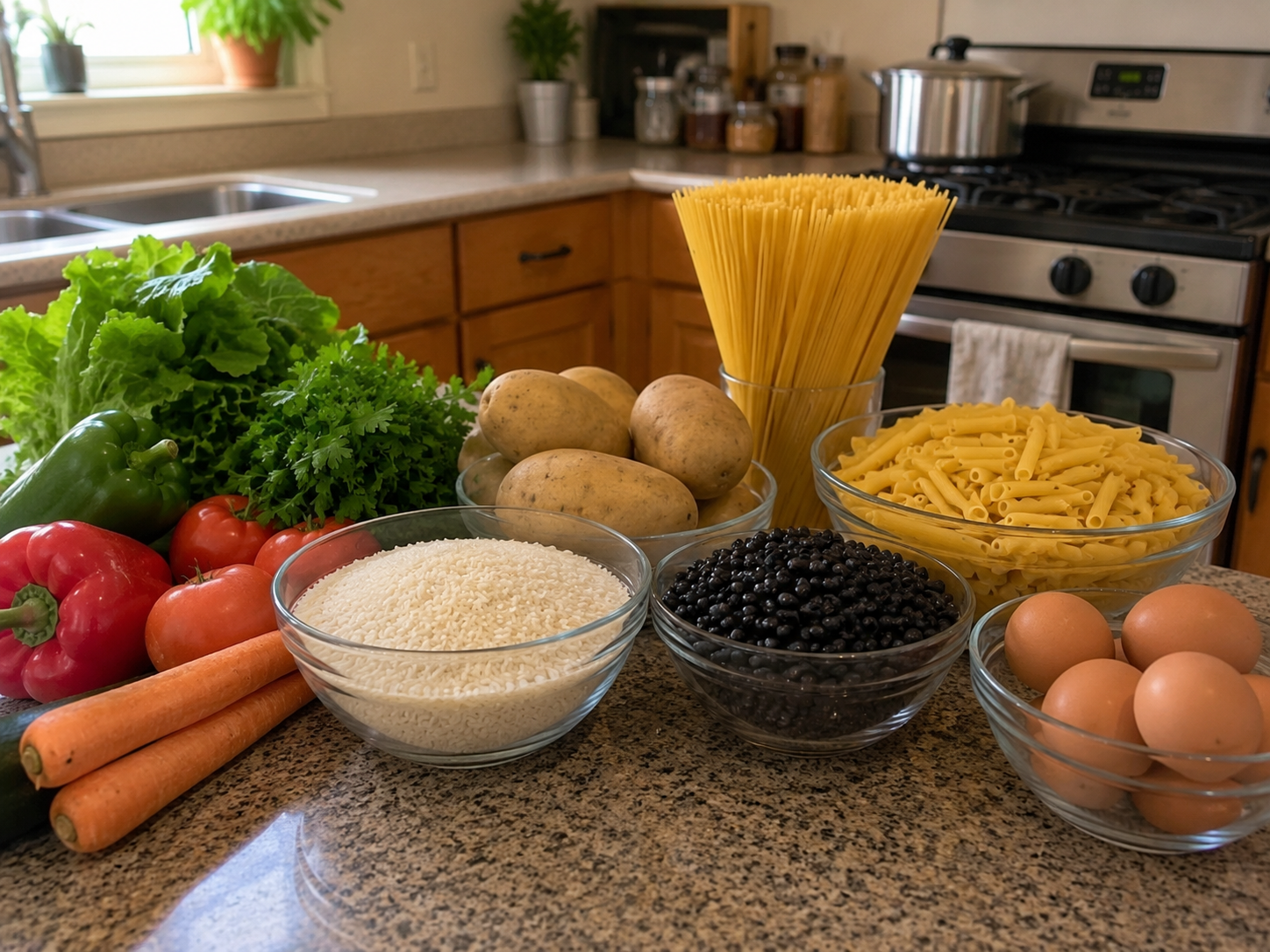
    Shopping list for three simple dinners

    Choose ingredients that overlap

    The easiest way to plan three dinners is to choose ingredients that can be used more than once. For example, onions and carrots can go into soup, pasta sauce, and rice bowls.

    Potatoes can become soup, roasted potatoes, or pan-fried potatoes. Canned tomatoes can become pasta sauce, stew, or soup. Eggs can be used for fried rice, omelettes, or a quick topping.

    Example shopping list

    Here is a simple shopping list that can support three different dinners:

    • Rice
    • Pasta
    • Potatoes
    • Eggs
    • Beans or lentils
    • Canned tomatoes
    • Onions
    • Carrots
    • Seasonal vegetables
    • Basic herbs and spices

    Dinner 1: Pasta with tomato sauce and vegetables

    Use pasta, canned tomatoes, onion, carrots, and any seasonal vegetables. Cook the onion and vegetables in a little oil, add canned tomatoes, season with salt, pepper, and herbs, then serve with pasta.

    If you make extra sauce, save it for another meal.
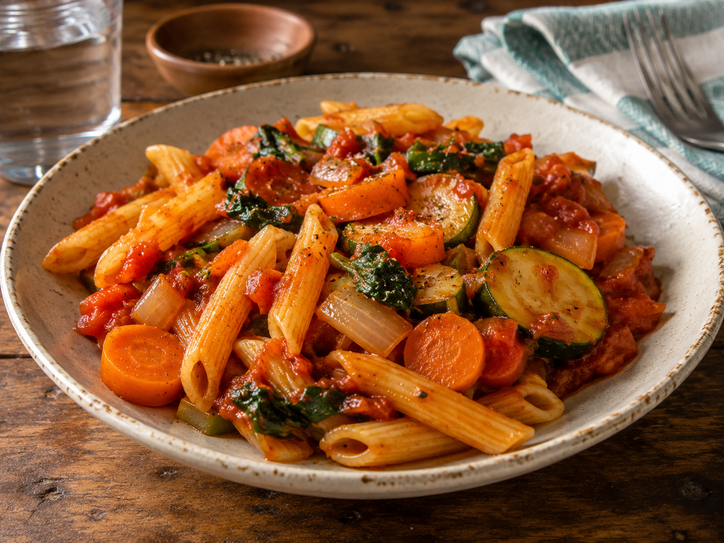
    Pasta with tomato sauce and vegetables

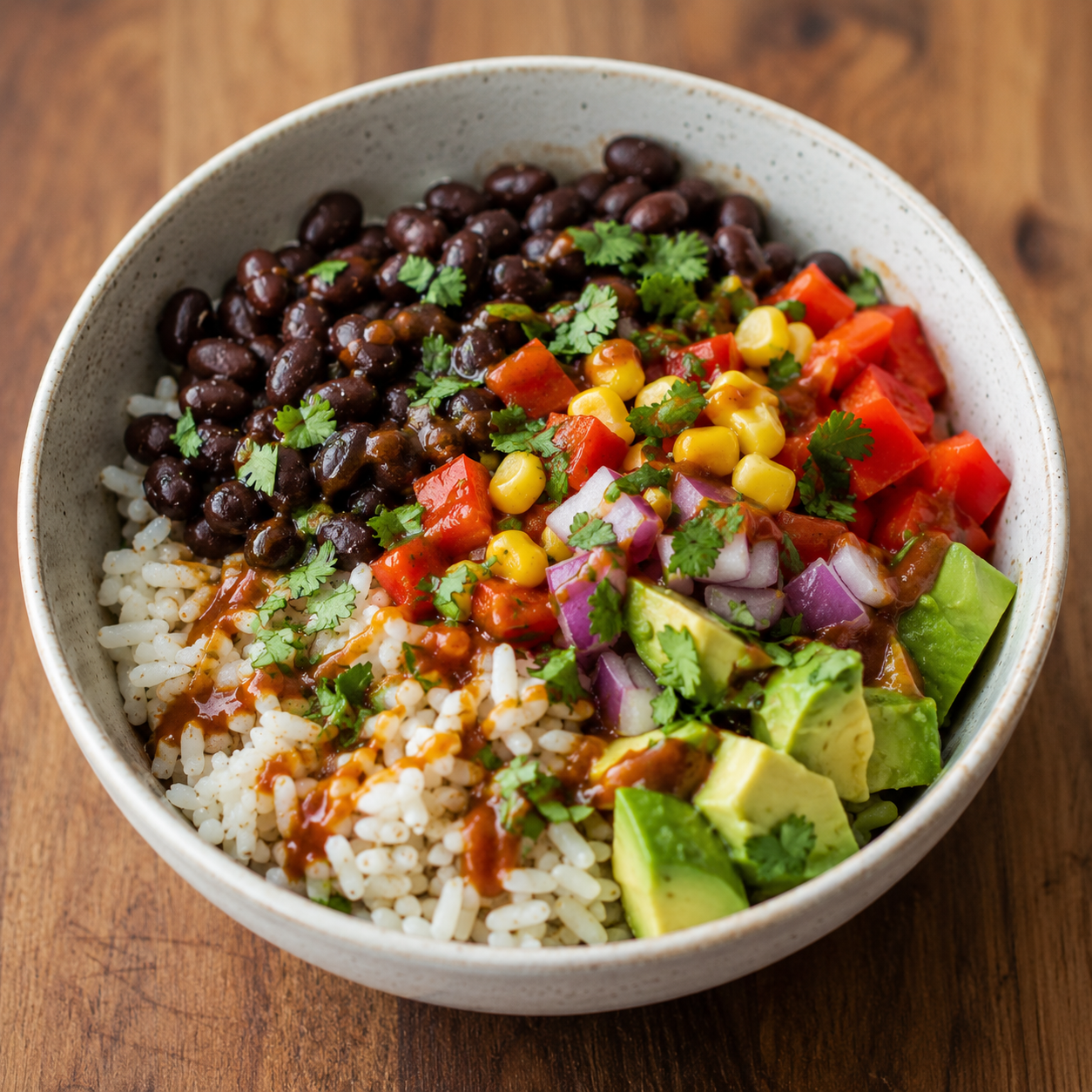
    Dinner 2: Rice bowl with beans and egg

    Use rice, beans or lentils, an egg, and leftover vegetables from the first dinner. Cook the rice, warm the beans, and add a fried or boiled egg on top.

    This meal is simple but filling. You can add herbs, yogurt sauce, tomato sauce, or a small salad if you have it.

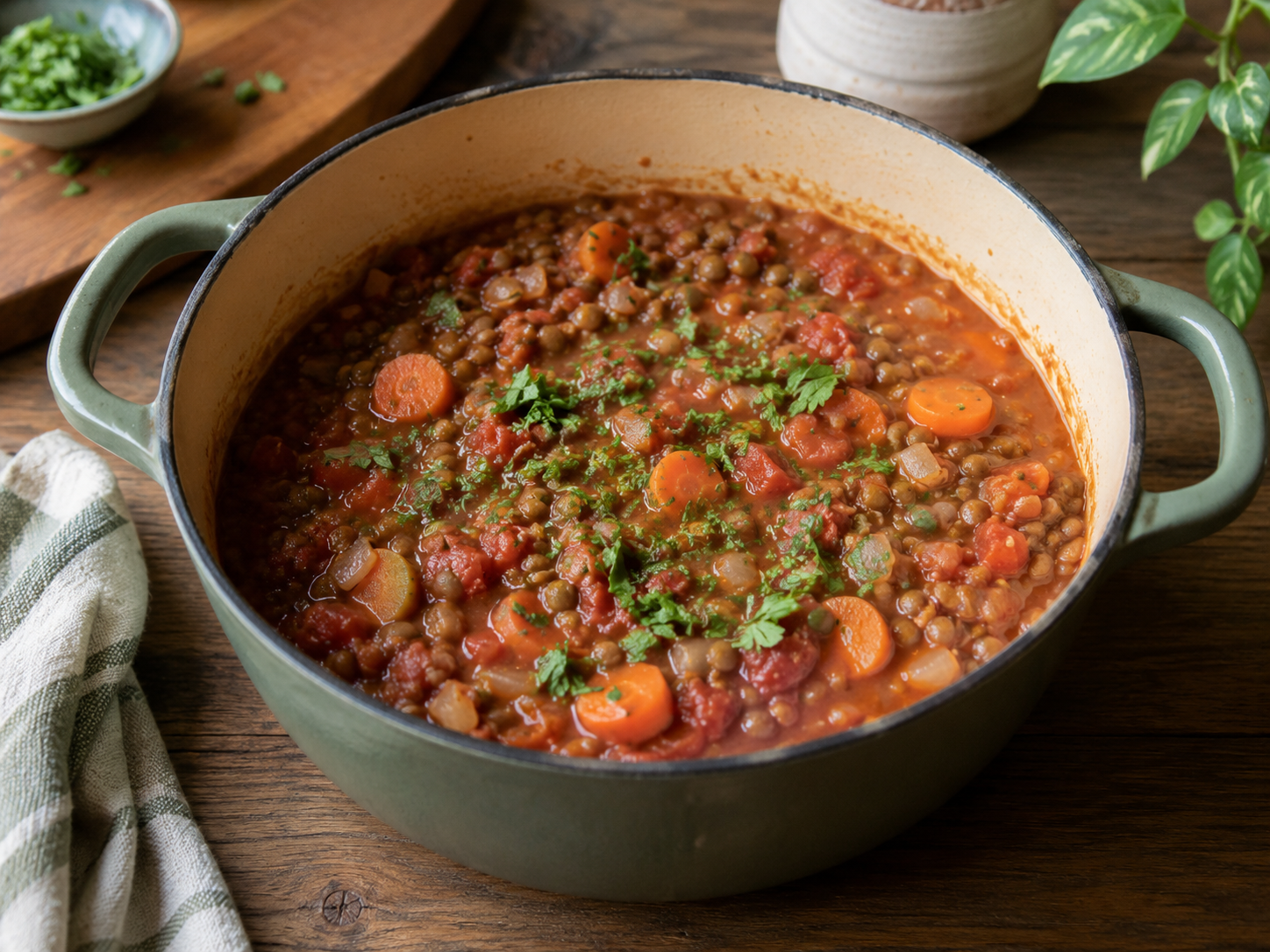
    Dinner 3: Potato and vegetable soup

    Use potatoes, onions, carrots, leftover vegetables, beans, lentils, or rice. Cook everything together with water or broth until soft.

    If you have leftover tomato sauce from the pasta meal, add it to the soup for more flavor.

    Why this works

    This method works because the ingredients are connected. Instead of buying different products for every recipe, the same ingredients appear in several meals.

    This helps reduce waste and makes cooking more flexible. If you do not use all the carrots in the pasta sauce, they can go into soup. If rice is left over, it can become fried rice the next day.

    Tips for planning three dinners

    • Pick one pasta meal, one rice meal, and one soup or potato meal.
    • Choose vegetables that can be used in more than one dish.
    • Cook extra rice, potatoes, or sauce when it makes sense.
    • Keep the plan flexible, not perfect.
    • Use leftovers before buying more food.
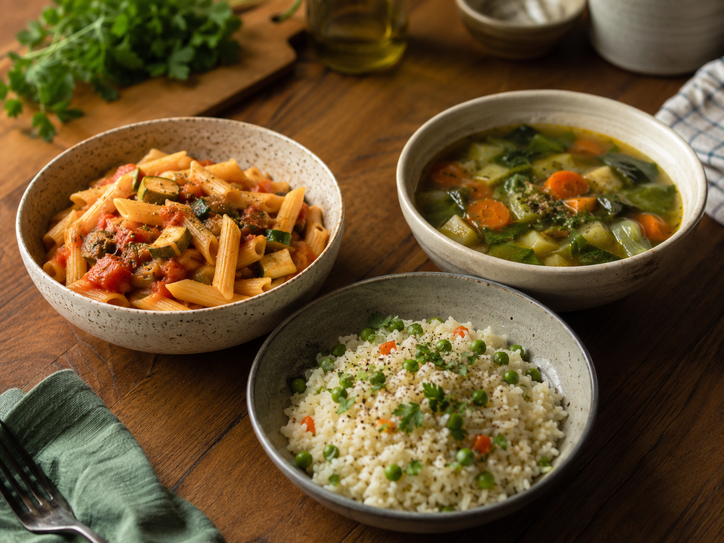
    Three simple dinners from one shopping list

    Useful pages

    You may also like these related pages:

    Final thoughts

    Planning three dinners from one shopping list is a simple way to make cooking easier. It saves time, reduces waste, and avoids buying too many ingredients for single-use recipes.

    Start with flexible basics like rice, pasta, potatoes, eggs, beans, canned tomatoes, onions, and carrots. From there, you can build several meals without making the week feel complicated.
  • Easy Vegetable Soup from Basic Ingredients

    Easy Vegetable Soup from Basic Ingredients

    Vegetable soup is one of the simplest meals you can make from basic ingredients. It is warm, flexible, affordable, and useful when you want to use vegetables before they go bad.

    You do not need a complicated recipe. A basic vegetable soup can start with onions, carrots, potatoes, water or broth, and a few seasonings. From there, you can add beans, lentils, rice, pasta, herbs, or any vegetables you already have.

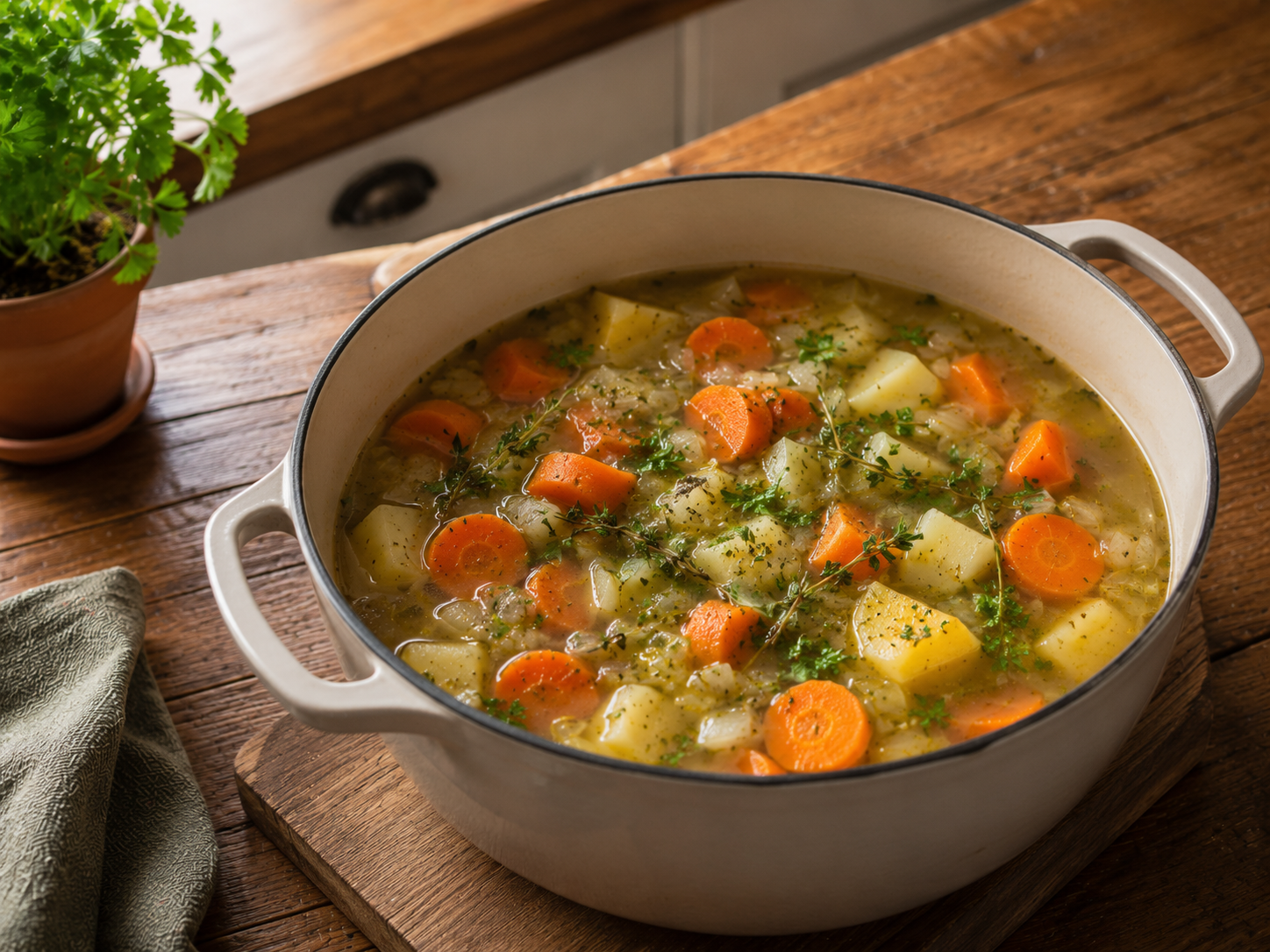
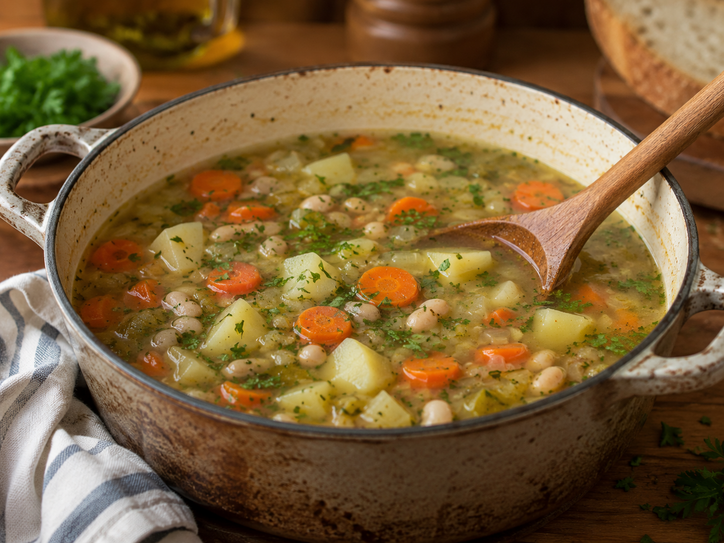
    Easy vegetable soup made from basic ingredients

    Start with a simple base

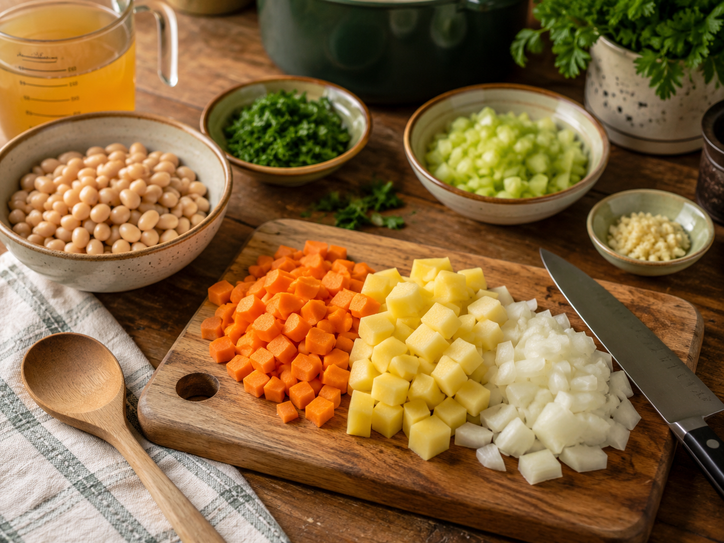
    Most simple soups begin with a few basic ingredients. Onion, carrot, and potato are a good starting point because they add flavor, texture, and make the soup more filling.

    Cook the onion in a little oil, then add carrots, potatoes, water or broth, salt, pepper, and herbs. Simmer until the vegetables are soft.

    Add what you already have

    Vegetable soup is useful because it can change every time. You can add fresh vegetables, frozen vegetables, canned beans, lentils, rice, pasta, or leftover cooked vegetables.

    This makes soup a good choice for budget cooking and leftover cooking. Small amounts of food can become part of a larger meal.

    Good ingredients for vegetable soup

    • Onions and garlic for flavor
    • Carrots and potatoes for a filling base
    • Cabbage, zucchini, celery, or peppers
    • Beans or lentils for protein and texture
    • Rice or pasta for a more filling soup
    • Canned tomatoes for a richer flavor
    • Herbs, salt, pepper, and paprika
    Basic vegetables prepared for homemade soup

    Make it more filling

    If you want soup to be a full meal, add something filling. Potatoes, beans, lentils, rice, pasta, or bread on the side can make a simple soup more satisfying.

    Lentils are especially useful because they cook relatively quickly and add thickness. Beans are convenient if you use canned ones.

    Use soup to reduce waste

    Soup is one of the easiest ways to use small amounts of vegetables. A few carrots, half an onion, leftover potatoes, or a small amount of greens can all go into the pot.

    If you have vegetables that are still safe to eat but not perfect enough for salad, soup is often a good choice.

    Simple soup variations

    Once you know the basic method, you can make many different soups.

    • Potato and carrot soup with herbs
    • Lentil soup with canned tomatoes
    • Bean and vegetable soup
    • Rice soup with carrots and onions
    • Cabbage and potato soup
    • Tomato vegetable soup with pasta

    Useful pages

    You may also like these related pages:

    Final thoughts

    Easy vegetable soup is a practical meal for everyday cooking. It uses simple ingredients, saves money, and helps reduce food waste.

    Start with a basic base, add what you have, and adjust the soup each time. This makes it one of the most flexible meals for busy weeks.

  • Simple Pantry Staples for Busy Weeks

    Simple Pantry Staples for Busy Weeks

    A small pantry can make busy weeks much easier. When you have a few useful ingredients at home, you can cook simple meals without needing a special shopping trip every day.

    Pantry staples do not need to be expensive or unusual. The best ones are flexible, affordable, and easy to combine with vegetables, eggs, leftovers, or fresh ingredients.

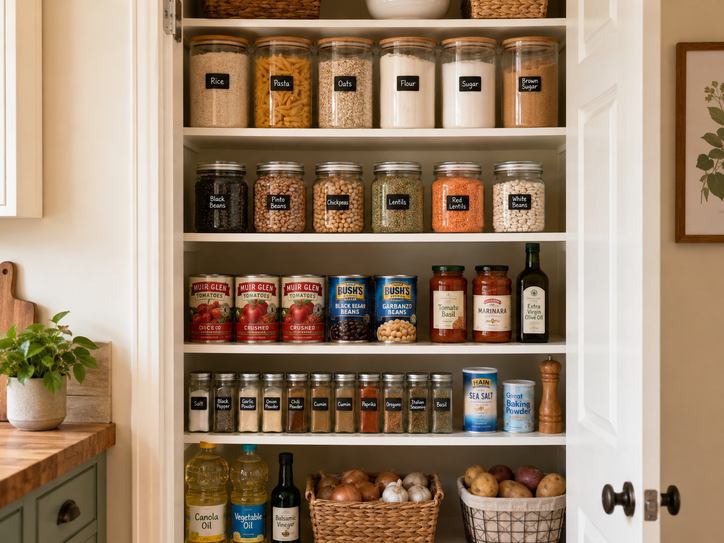
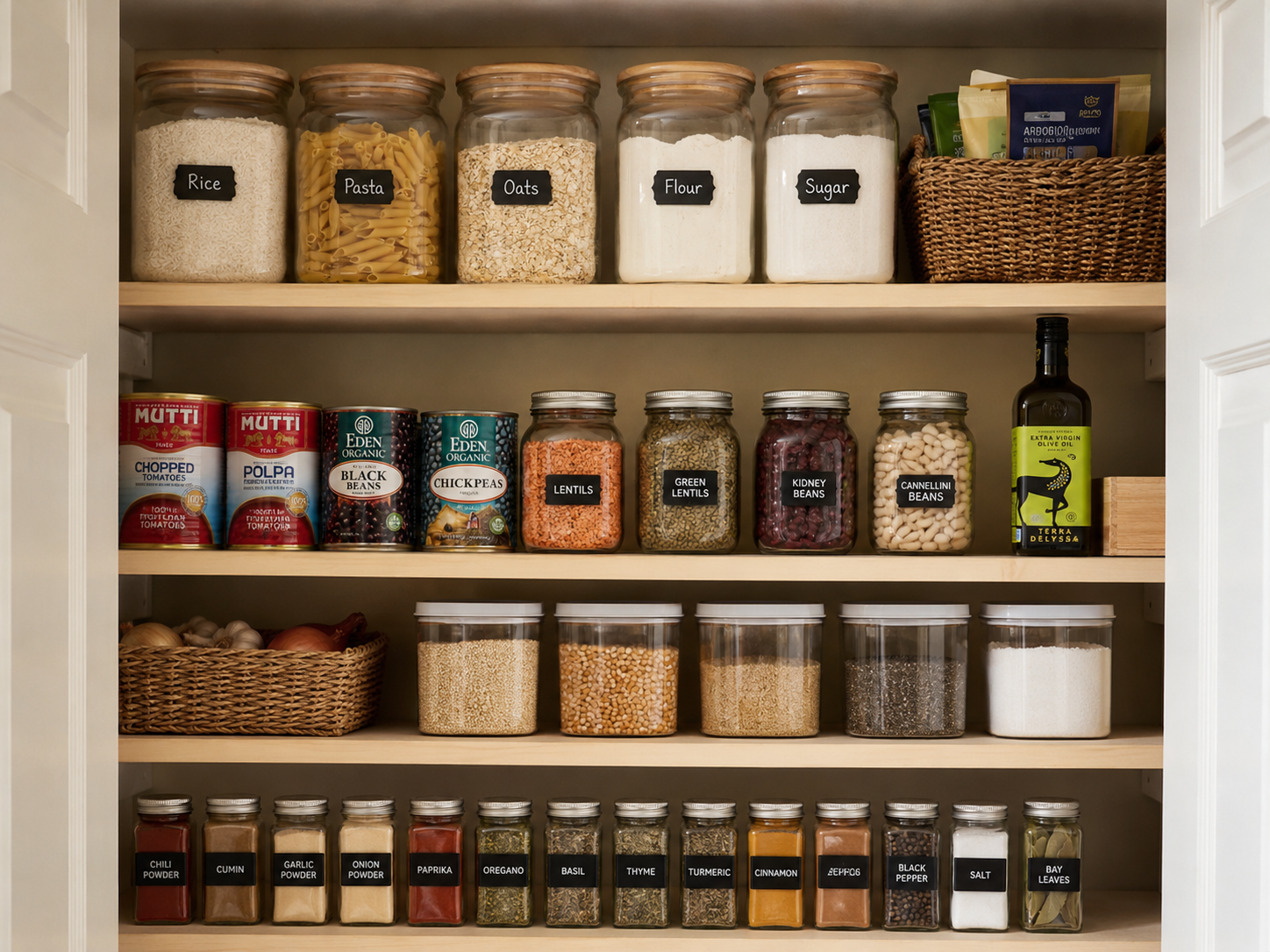
    Simple pantry staples for busy weeks

    Rice and pasta

    Rice and pasta are useful because they can become many different meals. Rice can be used for bowls, fried rice, soups, and side dishes. Pasta can be combined with tomato sauce, vegetables, beans, cheese, or herbs.

    Keeping both at home gives you a fast base for dinner when you do not have much time.

    Beans and lentils

    Beans and lentils are filling and affordable. They work well in soups, stews, salads, rice bowls, wraps, and simple spreads.

    Canned beans are convenient, while dry lentils are usually cheap and cook faster than many other dry legumes.

    Canned tomatoes

    Canned tomatoes are one of the most useful pantry ingredients. They can become pasta sauce, soup, stew, curry-style dishes, or a base for beans and vegetables.

    With onion, garlic, oil, salt, pepper, and herbs, canned tomatoes can quickly become a simple sauce for many meals.

    Pantry ingredients for simple meals

    Oats and flour

    Oats are useful for breakfast, simple baking, and quick snacks. They can be used for porridge, overnight oats, pancakes, or basic oat bars.

    Flour is useful for pancakes, flatbreads, simple doughs, and thickening sauces or soups.

    Oil, vinegar, and basic spices

    Pantry meals need flavor. A small set of seasonings can make simple ingredients taste much better.

    • Salt and pepper
    • Paprika
    • Garlic powder or fresh garlic
    • Dried herbs
    • Curry powder or chili flakes
    • Oil and vinegar
    • Soy sauce or mustard if you use them often

    Frozen vegetables

    Frozen vegetables are not always stored in the pantry, but they work like pantry helpers. They last a long time and can be added directly to rice, pasta, soup, stew, or omelettes.

    Keeping one or two bags of frozen vegetables can make busy-week cooking much easier.

    How to use pantry staples during the week

    A useful habit is to plan two or three meals around ingredients you already have. For example, rice, beans, and canned tomatoes can become a rice bowl, soup, or simple stew.

    Pasta, frozen vegetables, and canned tomatoes can become a quick dinner. Oats, yogurt, and fruit can become breakfast for several days.

    Useful pages

    You may also like these related pages:

    Final thoughts

    A good pantry is not about having everything. It is about keeping a few reliable ingredients that make cooking easier.

    Start with rice, pasta, beans, lentils, canned tomatoes, oats, oil, and basic spices. Add fresh or frozen vegetables when possible, and you will always have a simple meal option ready.

  • How to Use Leftover Potatoes

    How to Use Leftover Potatoes

    Leftover potatoes are one of the easiest ingredients to reuse. They are filling, flexible, and can become many different meals with very little extra work.

    Whether you have boiled potatoes, baked potatoes, roasted potatoes, or mashed potatoes, there are many simple ways to turn them into a new dish instead of throwing them away.

    Make quick pan-fried potatoes

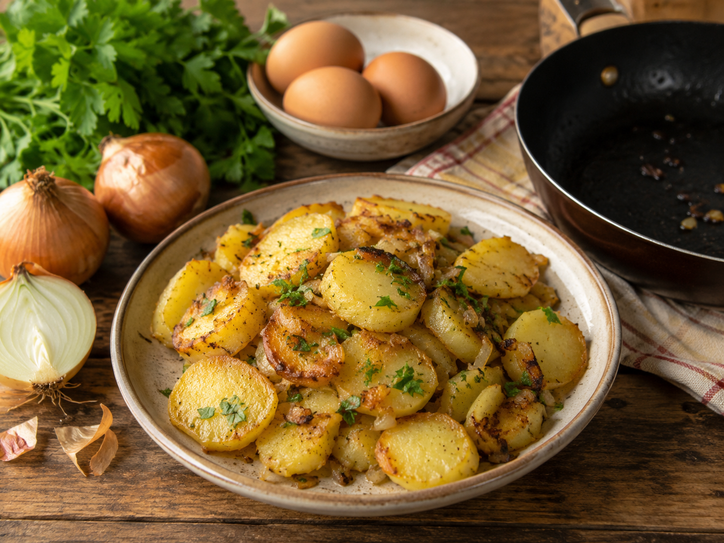
    Pan-fried potatoes are a classic way to reuse cooked potatoes. Slice or cube the potatoes, then cook them in a pan with a little oil, onion, salt, and pepper.

    You can add herbs, garlic, leftover vegetables, or an egg to make the meal more filling. This works well for breakfast, lunch, or a quick dinner.

    Add potatoes to soup

    Leftover potatoes can make soup thicker and more filling. Add them to vegetable soup, lentil soup, bean soup, or a simple broth with carrots and onions.

    If the potatoes are soft, you can mash some of them into the soup to make the texture creamier without adding cream.

    Make a simple potato salad

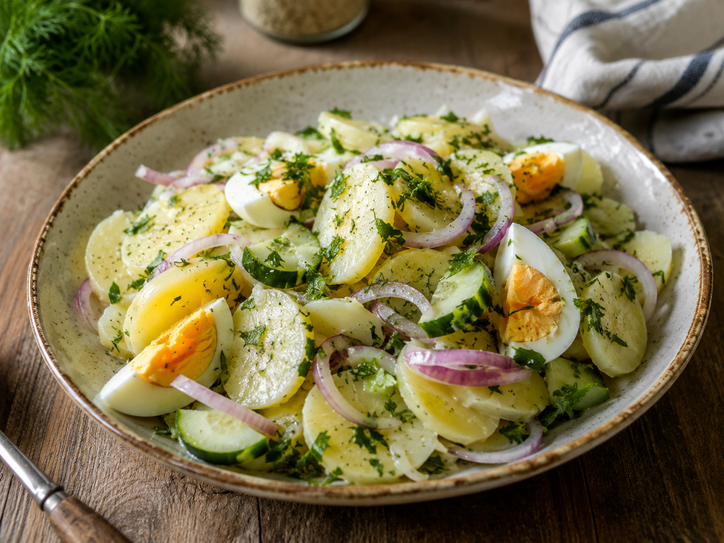
    Cold cooked potatoes are useful for potato salad. Cut them into pieces and mix with herbs, onion, cucumber, yogurt, mustard, oil, or a simple dressing.

    Potato salad can be served as a side dish or combined with eggs, beans, or vegetables to make a light meal.

    Simple potato salad made with leftover potatoes

    Use potatoes in an omelette

    Leftover potatoes work very well in omelettes. Slice them thinly and warm them in a pan, then pour beaten eggs over the top.

    Add onions, herbs, cheese, or vegetables if you have them. Cook slowly until the eggs are set. This is a good meal when you want something warm and simple.

    Turn mashed potatoes into patties

    Mashed potatoes can become simple potato patties. Mix the mashed potatoes with a little flour, egg, herbs, salt, and pepper. Shape into small patties and cook in a pan until golden.

    These patties can be served with salad, soup, yogurt sauce, or vegetables.

    Add potatoes to a casserole

    Leftover potatoes can be layered with vegetables, beans, sauce, or cheese and baked as a simple casserole. This is a good way to use several leftovers at once.

    You do not need a complicated recipe. Use potatoes as the base and add whatever needs to be used from the fridge.

    Good ingredients to combine with potatoes

    • Onions and garlic
    • Eggs
    • Cheese
    • Beans and lentils
    • Carrots and cabbage
    • Yogurt or mustard dressing
    • Fresh herbs

    Useful pages

    You may also like these related pages:

    Final thoughts

    Leftover potatoes are worth saving because they can become many quick meals. They are useful in soups, salads, omelettes, pan dishes, and casseroles.

    Keep them in a visible container in the fridge and plan to use them within the next few days. A small amount of potatoes can make a meal easier, cheaper, and more filling.

  • 5 Cheap Meals with Rice and Eggs

    5 Cheap Meals with Rice and Eggs

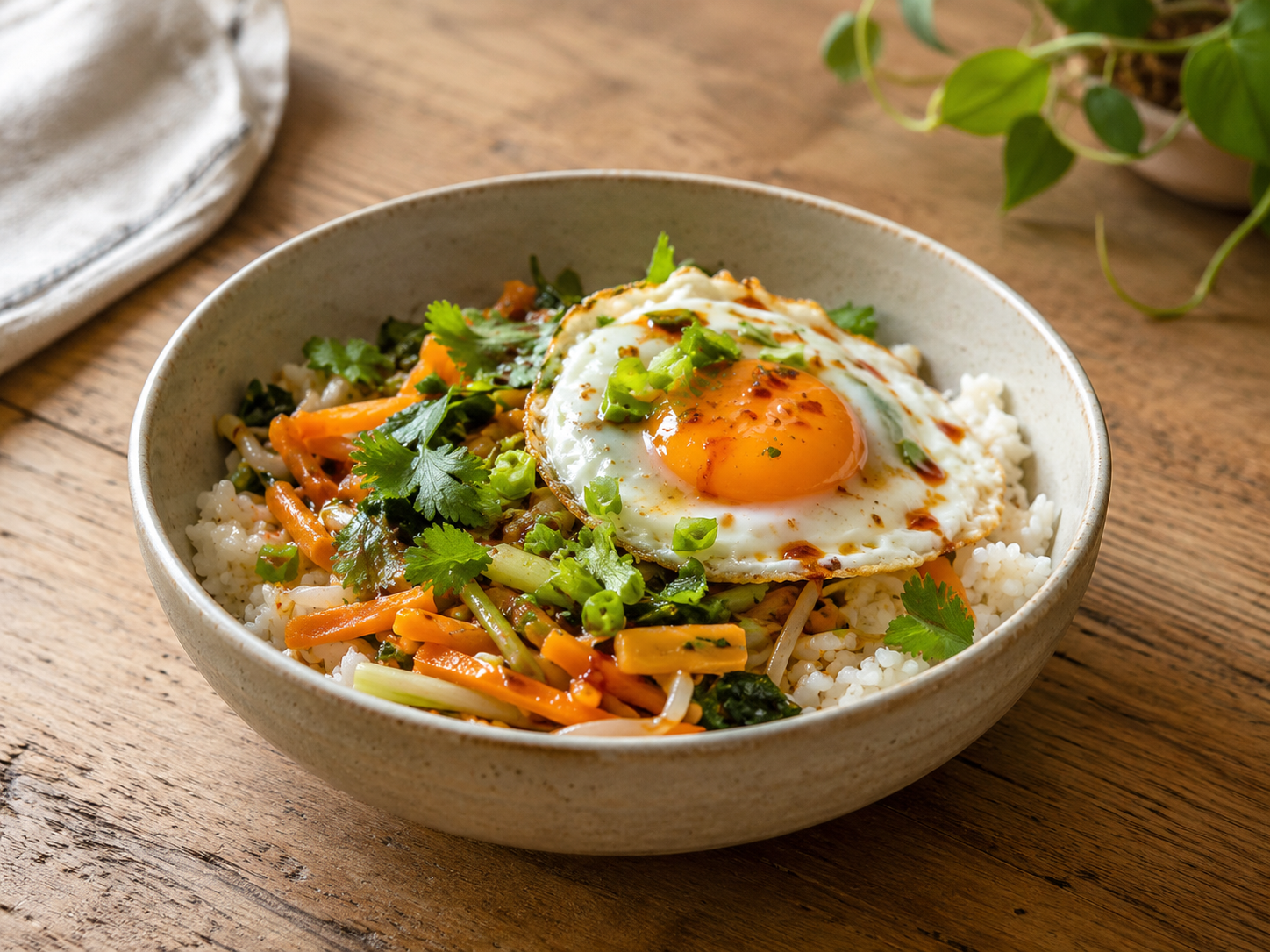
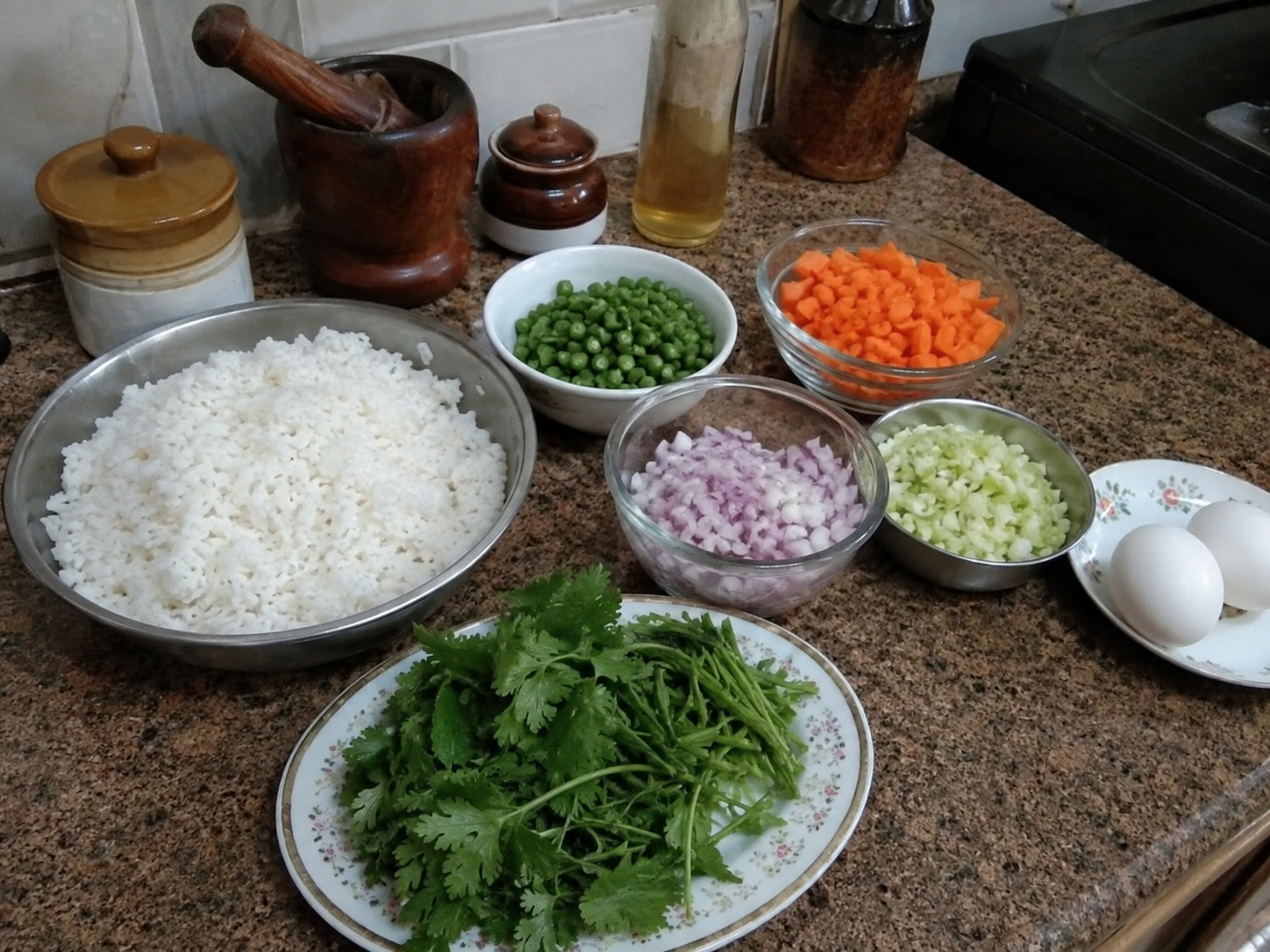
    Cheap rice and egg meal with vegetables

    Rice and eggs are two of the most useful ingredients for budget cooking. They are simple, affordable, easy to store, and can be used in many different meals.

    With rice, eggs, a few vegetables, and basic seasonings, you can make quick breakfasts, lunches, or dinners without needing complicated recipes. These five meal ideas are flexible, so you can change them depending on what you already have at home.

    Cheap rice and egg meal with vegetables

    1. Fried rice with egg and vegetables

    Fried rice is one of the easiest ways to use leftover rice. It works especially well with rice that was cooked the day before because it is a little drier and does not become too soft in the pan.

    Start with a little oil, onion, and any vegetables you have. Add the rice, then push it to one side of the pan and cook an egg. Mix everything together and season with salt, pepper, herbs, or a little soy sauce.

    2. Rice bowl with egg and beans

    A rice bowl can be very simple and still filling. Use warm rice as the base, then add beans, a fried or boiled egg, and a small amount of vegetables.

    This meal works with canned beans, leftover cooked beans, or lentils. Add tomatoes, carrots, cucumber, cabbage, or any seasonal vegetable you have available.

    3. Simple egg rice soup

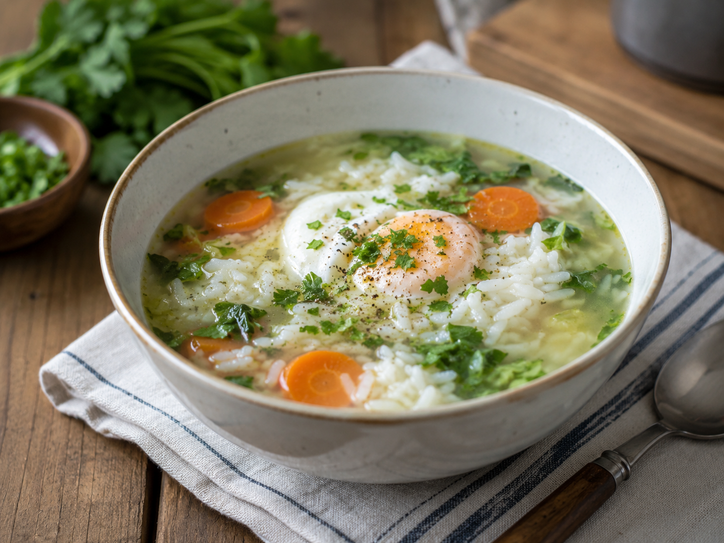
    Rice and eggs can also make a quick soup. Heat water or broth, add cooked rice, vegetables, and basic seasoning. When everything is warm, slowly stir in a beaten egg.

    The egg makes the soup more filling, while the rice adds texture. This is a useful meal when you want something warm but do not want to cook for a long time.

    Simple rice and egg soup with vegetables

    4. Rice omelette

    A rice omelette is a good way to use a small amount of leftover rice. Mix eggs with rice, chopped vegetables, herbs, salt, and pepper. Cook everything slowly in a pan until firm.

    You can keep it simple or add cheese, beans, onions, spinach, or leftover cooked vegetables. It is filling and works for breakfast, lunch, or dinner.

    5. Egg and rice with tomato sauce

    Rice, egg, and tomato sauce make a very simple budget meal. Warm canned tomatoes with onion, garlic, herbs, salt, and pepper. Serve it over rice with a fried or boiled egg on top.

    If you have vegetables, add them to the sauce. Carrots, peppers, zucchini, spinach, and frozen vegetables all work well.

    Tips for making rice and egg meals better

    • Cook extra rice and use it the next day.
    • Keep eggs ready for fast meals.
    • Add vegetables for color, texture, and freshness.
    • Use beans or lentils when you need a more filling meal.
    • Change the seasoning so the meals do not feel the same.

    Useful pages

    You may also like these related pages:

    Final thoughts

    Rice and eggs are simple ingredients, but they can become many different meals. The key is to keep the recipes flexible and use what you already have.

    With a few vegetables, beans, or basic pantry items, rice and eggs can become quick, cheap, and useful meals for everyday cooking.

  • Cooking Ideas

    Cooking Ideas

    Cooking does not need to be complicated to be useful, tasty, and affordable. This page brings together simple cooking ideas for everyday meals, with a focus on budget-friendly ingredients, leftovers, pantry basics, and quick dinners.

    The goal is to make home cooking easier. Instead of relying on complicated recipes, these ideas use flexible ingredients like rice, pasta, potatoes, beans, eggs, vegetables, and simple seasonings.

    Simple meals for everyday life

    Everyday cooking works best when meals are easy to repeat and easy to change.
    A basic rice bowl, pasta dish, soup, omelette, or vegetable pan can be adjusted depending on what you already have at home.

    This makes cooking less stressful. You do not need a perfect plan for every day. A few simple meal ideas can be enough to make the week easier.

    Start with basic ingredients

    Many useful meals begin with simple ingredients. Rice, pasta, potatoes, beans, lentils, eggs, onions, carrots, canned tomatoes, oats, and seasonal vegetables are all good starting points.

    These ingredients are affordable, easy to store, and can be used in many different ways. For example, potatoes can become soup, roasted potatoes, salad, or a simple side dish. Rice can become fried rice, a rice bowl, soup, or a filling base for vegetables and beans.

    • Rice and pasta for quick meals
    • Potatoes for soups, sides, and casseroles
    • Beans and lentils for filling dishes
    • Eggs for fast breakfasts, lunches, and dinners
    • Seasonal vegetables for simple and affordable meals

    Cook once, use twice

    One of the easiest ways to save time and money is to cook a little extra. Leftover rice, roasted vegetables, cooked potatoes, or beans can become part of another meal the next day.

    This does not mean eating the exact same dish again. Leftovers can be changed into something new. Rice can become fried rice, vegetables can go into soup, and potatoes can be pan-fried or added to a simple salad.

    Quick ideas to try

    Here are a few simple cooking ideas that can be changed depending on what is already in your kitchen:

    • Pasta with tomato sauce and vegetables
    • Rice bowl with beans, egg, and seasonal vegetables
    • Potato soup with carrots and onions
    • Omelette with leftover vegetables
    • Simple lentil stew with canned tomatoes
    • Fried rice with egg and frozen vegetables
    • Vegetable soup with herbs and pantry ingredients

    Use leftovers creatively

    Leftovers are not a problem when they are used on purpose. Small amounts of food can be combined with pantry basics to make a full meal.

    A little rice, a few vegetables, and one egg can become a quick pan meal. A small amount of soup can be made more filling with beans or pasta. Dry bread can become toast, croutons, or breadcrumbs.

    Explore cooking topics

    These pages collect more focused ideas for different everyday cooking situations:

    Final thoughts

    Cooking at home becomes easier when you keep things simple. A few basic ingredients,
    flexible meal ideas, and small planning habits can make everyday meals cheaper,
    quicker, and less stressful.

    Start with one or two ideas, repeat what works, and adjust meals based on what
    you already have. Simple cooking is not about perfection. It is about making food
    that fits real life.

  • Simple Pantry Meals

    Simple Pantry Meals

    Simple pantry meals are useful when you want to cook without making a special trip to the shop. With a few basic ingredients stored at home, it is possible to prepare easy, filling meals even when the fridge is almost empty.

    This page focuses on practical pantry ingredients like rice, pasta, oats, beans, lentils, canned tomatoes, flour, oil, spices, and simple vegetables. These ingredients are affordable, flexible, and useful for many everyday meals.

    Pantry ingredients for simple everyday meals

    Start with a small pantry

    A useful pantry does not need to be large. It only needs a few ingredients that can be used in different ways. Rice, pasta, beans, lentils, canned tomatoes, oats, flour, oil, salt, pepper, and basic spices are a good starting point.

    These ingredients can be combined with fresh or frozen vegetables, eggs, cheese, yogurt, or leftovers to create simple meals during the week.

    • Rice for bowls, soups, and fried rice
    • Pasta for quick dinners and simple sauces
    • Beans and lentils for filling meals
    • Canned tomatoes for soups, sauces, and stews
    • Oats for breakfast and simple baking
    • Flour for pancakes, flatbreads, and basic doughs
    • Spices and herbs for flavor

    Build meals from one main ingredient

    One easy way to cook from the pantry is to choose one main ingredient and build around it. For example, pasta can become a simple tomato pasta, a vegetable pasta, or a baked pasta dish. Rice can become a rice bowl, fried rice, or a soup ingredient.

    You do not need many extras. A small amount of vegetables, beans, cheese, herbs, or sauce can make a basic pantry meal feel complete.

    Simple pantry rice bowl with beans and vegetables

    Useful pantry meal ideas

    These meal ideas use common pantry ingredients and can be changed depending on what you have available:

    • Pasta with canned tomato sauce and herbs
    • Rice with beans, vegetables, and egg
    • Lentil stew with canned tomatoes and onions
    • Oats with fruit, yogurt, or nuts
    • Simple pancakes made with flour, egg, and milk
    • Bean soup with carrots, onions, and spices
    • Flatbread with simple toppings
    • Potato and lentil soup

    Use canned and dry ingredients wisely

    Canned and dry ingredients are helpful because they last a long time. Beans, lentils, tomatoes, corn, tuna, chickpeas, rice, pasta, and oats can stay in the pantry until they are needed.

    These ingredients are especially useful on busy days or when shopping is not possible. They make it easier to cook at home instead of ordering food.

    Add freshness when possible

    Pantry meals are better when you can add something fresh. This can be as simple as an onion, a carrot, a few herbs, some lemon juice, yogurt, or a small salad on the side.

    Frozen vegetables are also a good option. They are easy to store, quick to cook, and can be added directly to rice, pasta, soup, or stew.

    Keep pantry meals flexible

    Pantry cooking works best when recipes are flexible. If you do not have one ingredient, replace it with something similar. Beans can often replace lentils. Rice can replace pasta. Frozen vegetables can replace fresh vegetables.

    This flexibility makes cooking less stressful. Instead of following a recipe exactly, you can use the recipe as a basic idea and adjust it to your kitchen.

    Check your pantry before shopping

    Before buying more food, check what you already have. This helps prevent duplicate purchases and reduces the chance of food sitting unused for months.

    A simple habit is to look at your pantry once a week and plan one or two meals around ingredients that are already there.

    Useful pages

    You may also like these related pages:

    Final thoughts

    Simple pantry meals are about making everyday cooking easier. A small collection of basic ingredients can help you prepare meals quickly, save money, and avoid unnecessary shopping.

    Start with a few reliable pantry staples, use them in flexible ways, and add fresh or frozen ingredients when possible. With this approach, simple home cooking becomes much
    easier to manage.

  • Quick Weeknight Dinners

    Quick Weeknight Dinners

    Weeknight dinners should be simple, quick, and realistic. After a long day, most people do not want complicated recipes, long preparation, or a kitchen full of dishes.

    This page collects easy dinner ideas for busy evenings. The focus is on meals that use basic ingredients, flexible combinations, and simple cooking methods.

    Quick weeknight dinner ideas with simple ingredients

    Keep weeknight meals simple

    A good weeknight dinner does not need many ingredients. It usually needs one filling base, one or two vegetables, and something for flavor.

    Pasta, rice, potatoes, bread, eggs, beans, lentils, and frozen vegetables are useful because they can be turned into many different meals. With a few basic seasonings, these ingredients can become dinner in a short amount of time.

    • Pasta with vegetables and sauce
    • Rice bowls with egg or beans
    • Omelettes with leftover vegetables
    • Potato soup or baked potatoes
    • Quick wraps, toast, or sandwiches

    Use one-pan meals when possible

    One-pan meals are useful because they save time and reduce cleanup. A simple pan meal can start with onions, vegetables, rice, pasta, potatoes, or eggs.

    For example, you can cook vegetables in a pan, add leftover rice, and finish the dish with an egg or a small amount of cheese. You can also make a quick pasta sauce in one pan while
    the pasta cooks separately.

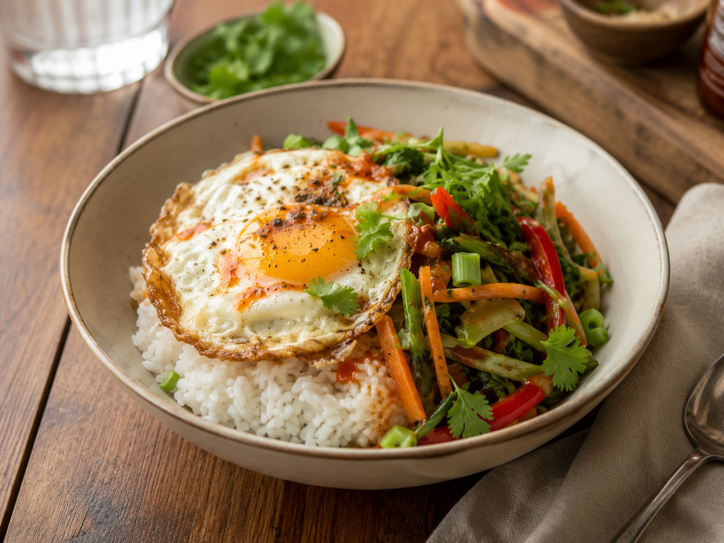
    Quick one-pan dinner with rice vegetables and egg

    Prepare a few basics ahead of time

    You do not need to meal prep everything. Even preparing one or two simple ingredients can
    make weeknight cooking much easier.

    Cooked rice, boiled potatoes, washed vegetables, or a simple tomato sauce can save time
    during the week. These basics can be used in different meals, so dinner does not feel the
    same every night.

    • Cook extra rice for the next day
    • Keep frozen vegetables ready
    • Prepare a simple sauce in advance
    • Wash and cut vegetables earlier if possible
    • Keep eggs, beans, and canned tomatoes available

    Fast dinner ideas

    These ideas are flexible and can be changed depending on what you already have at home:

    • Pasta with tomato sauce, onions, and vegetables
    • Fried rice with egg and frozen vegetables
    • Omelette with cheese and leftover vegetables
    • Rice bowl with beans, carrots, and a simple dressing
    • Potato soup with onions, carrots, and herbs
    • Toast with eggs, tomatoes, or leftover vegetables
    • Lentil stew with canned tomatoes and basic spices
    • Wraps with beans, vegetables, and yogurt sauce

    Use leftovers to save time

    Leftovers can make weeknight dinners much easier. Instead of starting from zero, use what is already cooked and build a new meal around it.

    Leftover potatoes can become a quick pan dish. Cooked rice can become fried rice or a rice bowl. Roasted vegetables can go into pasta, wraps, or an omelette.

    Make dinner easier with pantry ingredients

    Pantry ingredients are helpful on busy evenings because they are always ready. Pasta, rice, lentils, beans, canned tomatoes, oats, flour, oil, and basic spices can be used in many simple meals.

    If you keep a few pantry basics at home, you can usually make dinner without a special shopping trip.

    Useful pages

    You may also like these related pages:

    Final thoughts

    Quick weeknight dinners are about making cooking possible on busy days. A simple meal that is warm, filling, and easy to prepare is often enough.

    Start with a few basic dinner ideas, repeat what works, and keep flexible ingredients at home. This makes weeknight cooking faster, cheaper, and less stressful.

  • Easy Leftover Meals

    Easy Leftover Meals

    Leftovers can become simple, useful meals with very little extra work. Instead of throwing food away or forgetting it in the fridge, you can turn cooked rice, vegetables, potatoes, pasta, bread, or beans into new meals for the next day.

    The goal of leftover cooking is not to make complicated recipes. It is to use what is already available and combine it with a few basic ingredients to create something quick, filling, and practical.

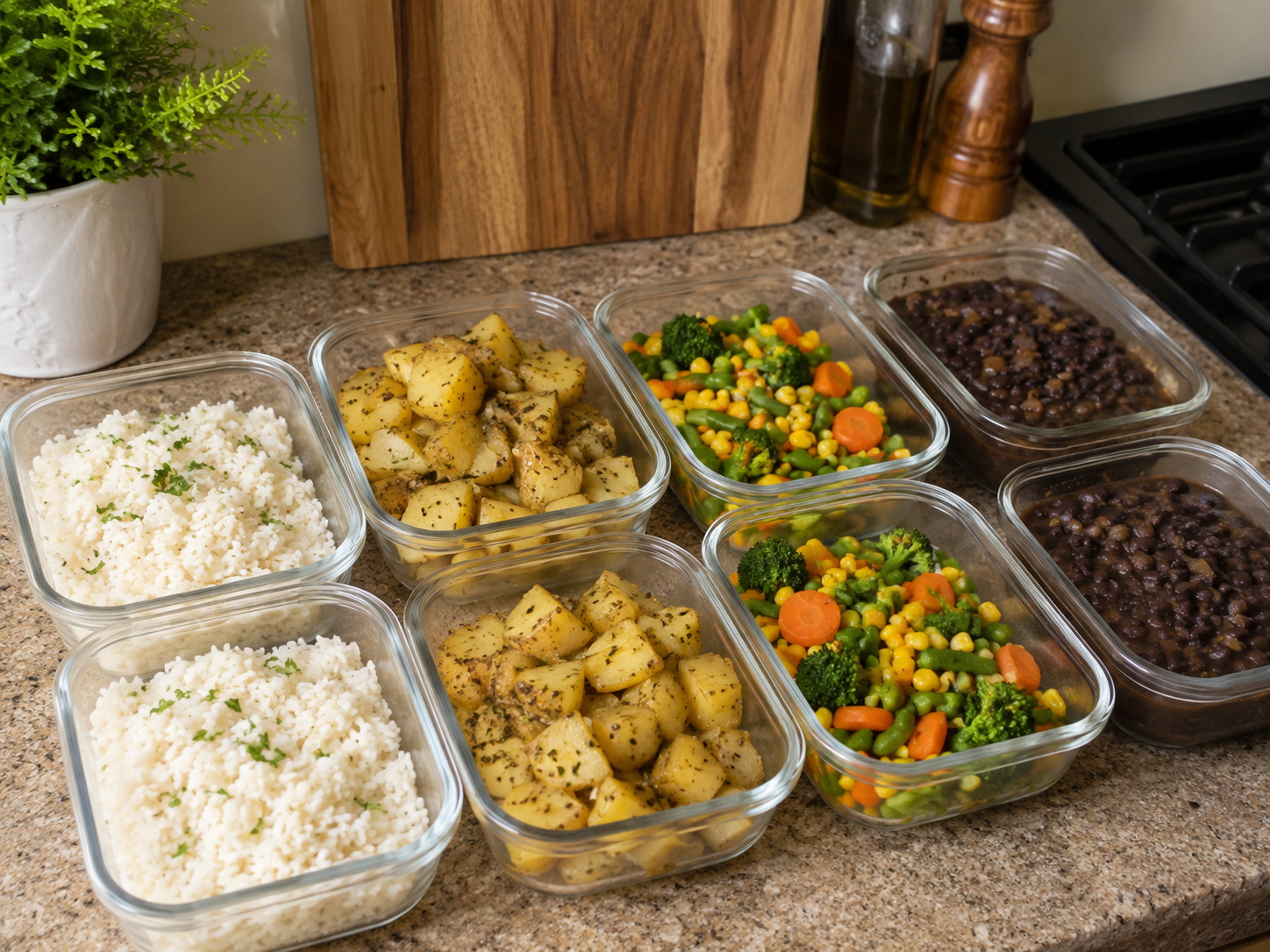
    Leftover ingredients stored for simple meals

    Start by checking what you already have

    Before cooking something new, look in the fridge and pantry. A small portion of cooked rice, a few vegetables, a little pasta, or half a can of beans can become the starting point for a simple meal.

    This habit helps reduce food waste and makes cooking cheaper. It also makes meal planning easier because you do not need to buy new ingredients for every dish.

    Good leftovers to reuse

    Some foods are especially useful for leftover meals because they can be changed into many different dishes.

    • Cooked rice for fried rice, rice bowls, or soup
    • Cooked potatoes for pan-fried potatoes, salad, or soup
    • Leftover pasta for casseroles, pasta salad, or quick pan meals
    • Roasted vegetables for wraps, omelettes, or grain bowls
    • Beans and lentils for stews, soups, and simple spreads
    • Dry bread for toast, croutons, breadcrumbs, or baked dishes

    Turn leftover rice into a quick meal

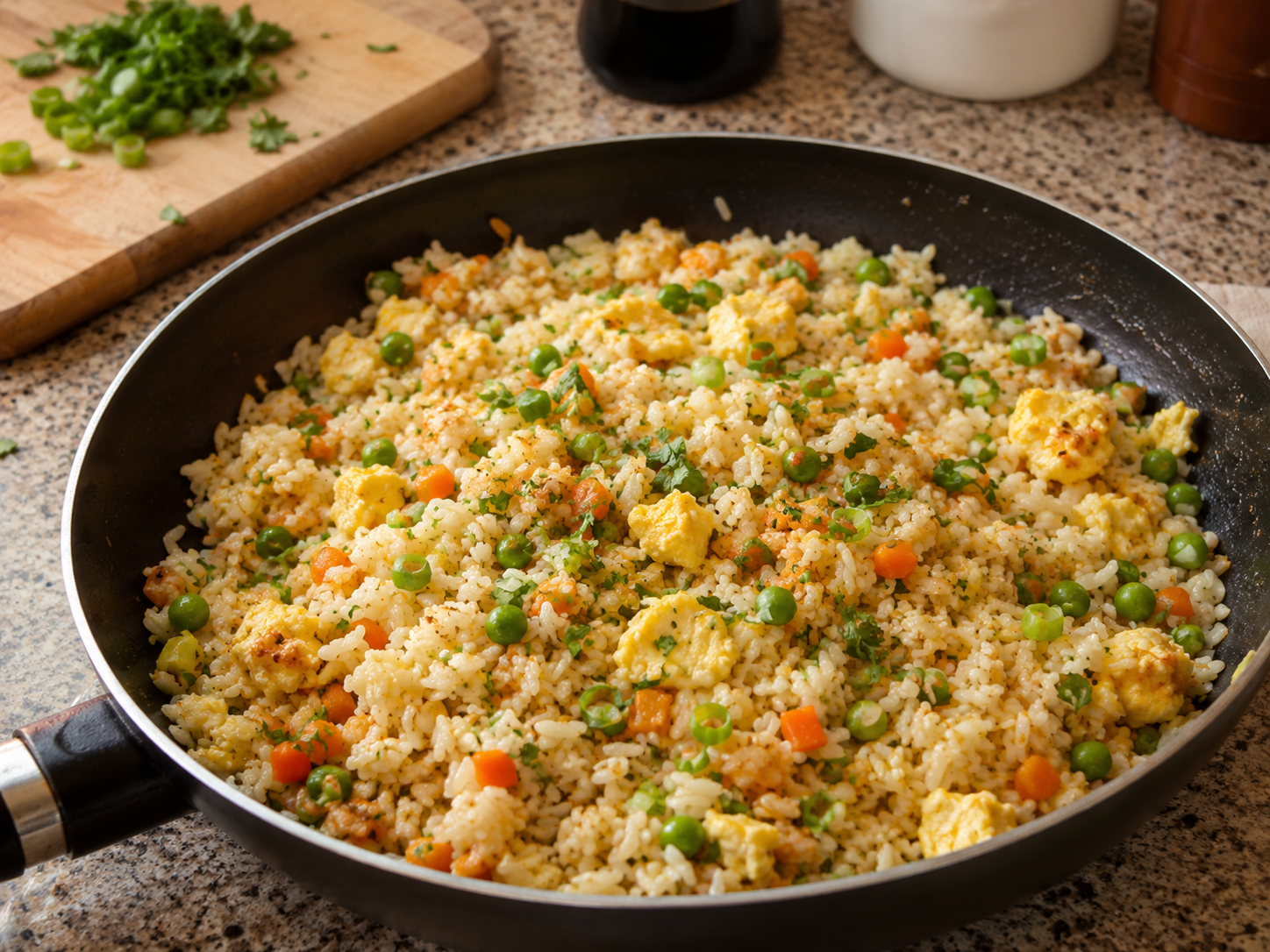
    Cooked rice is one of the easiest leftovers to reuse. It can be fried in a pan with vegetables, egg, and simple seasoning. You can also use it as a base for a bowl with beans, roasted vegetables, or a quick sauce.

    If the rice is dry, that is not a problem. Dry rice often works well in fried rice because it does not become too soft in the pan.

    Use vegetables before they go bad

    Small amounts of vegetables are easy to forget. A few carrots, half an onion, some peppers, or leftover broccoli can be added to many meals.

    Vegetables can go into soup, pasta sauce, omelettes, fried rice, wraps, or simple casseroles. You do not need exact amounts. Just cut them into small pieces and add them to the meal you are already making.

    Simple leftover meal ideas

    Here are a few easy ideas that work well with leftovers:

    • Fried rice with egg and vegetables
    • Potato soup with leftover cooked potatoes
    • Pasta bake with leftover sauce and vegetables
    • Omelette with small pieces of vegetables and cheese
    • Rice bowl with beans, herbs, and simple dressing
    • Vegetable soup with leftover pasta or grains
    • Toast or sandwiches with leftover roasted vegetables
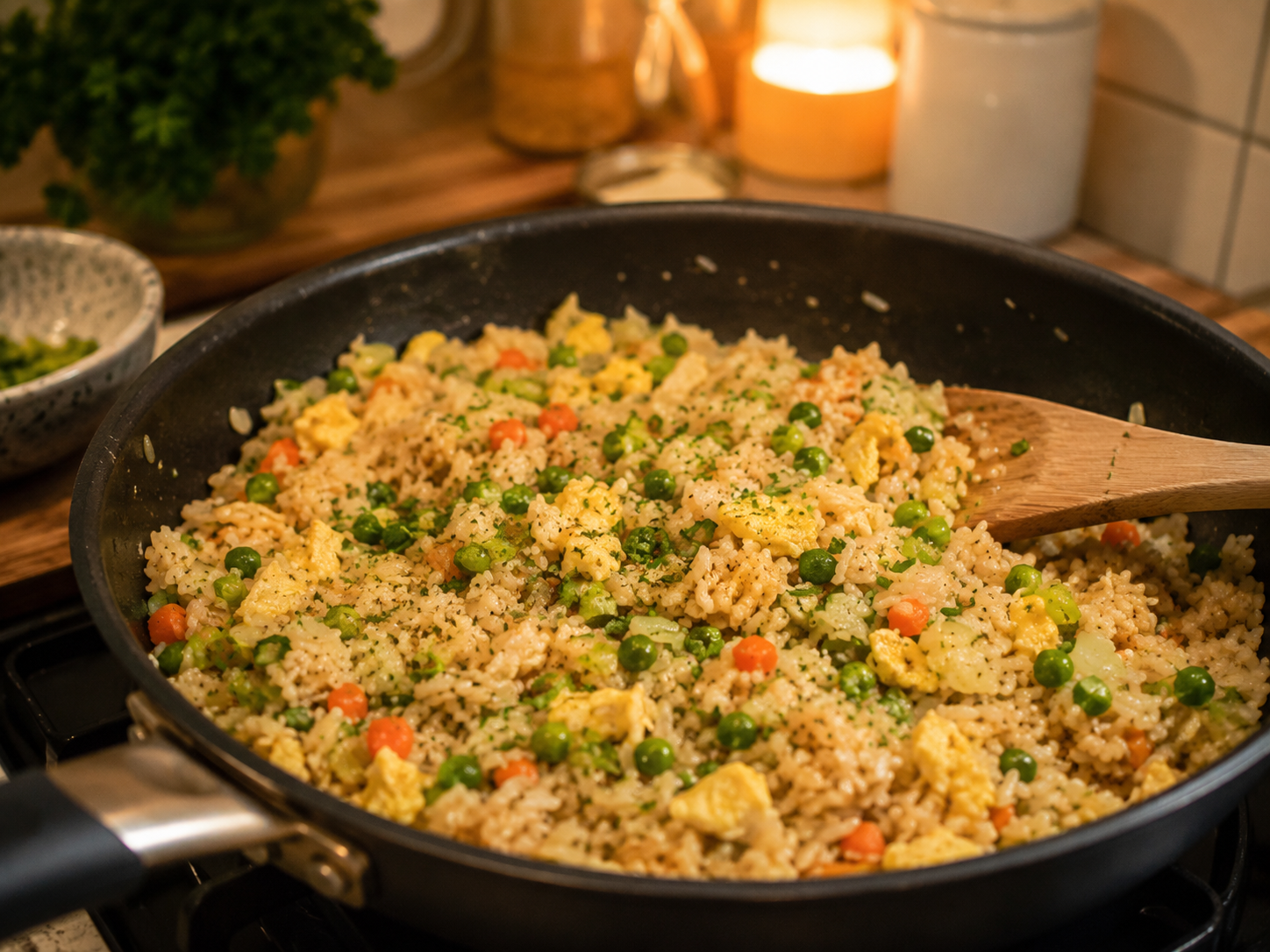
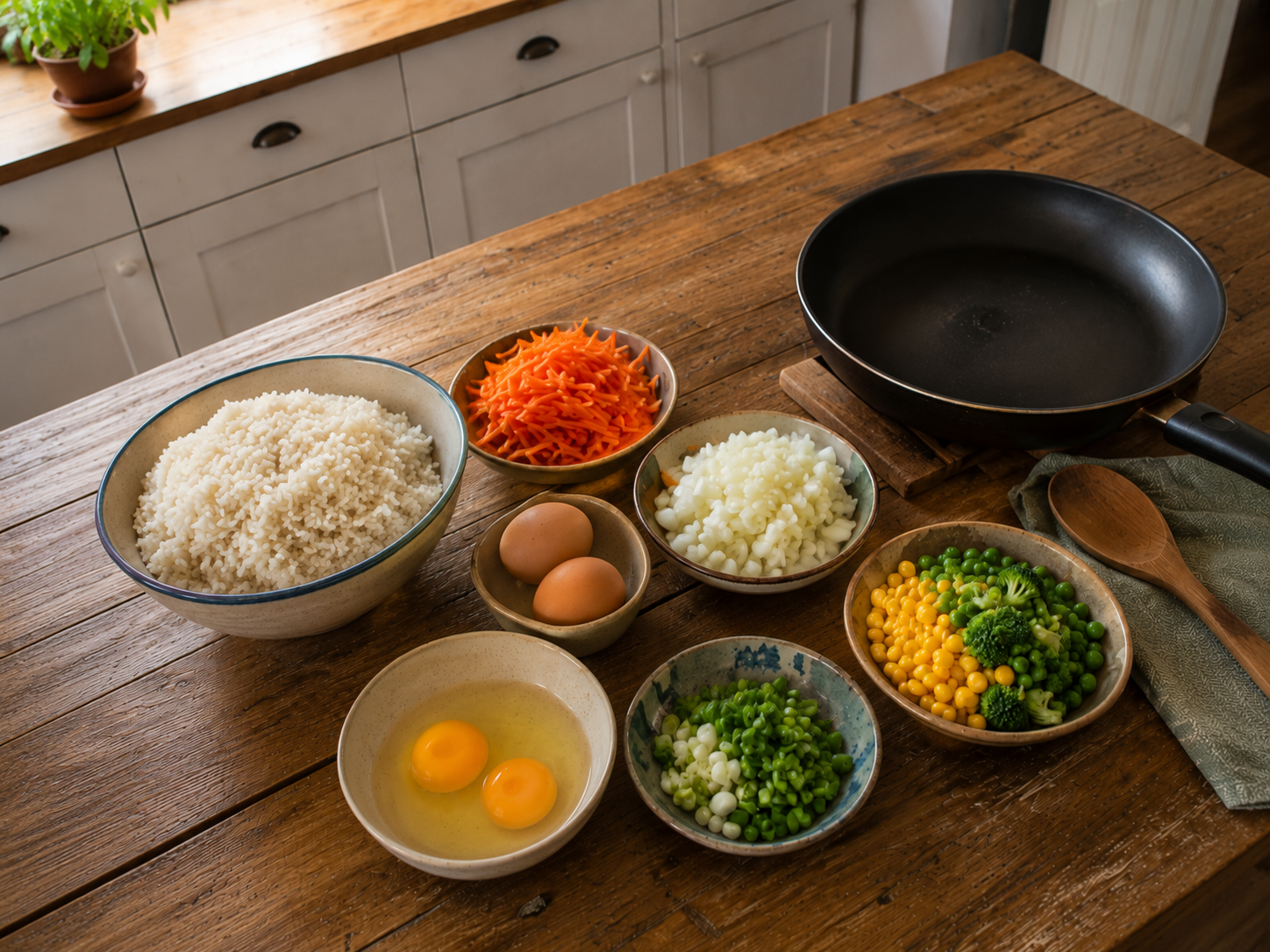
    Easy fried rice made with leftovers

    Store leftovers in a useful way

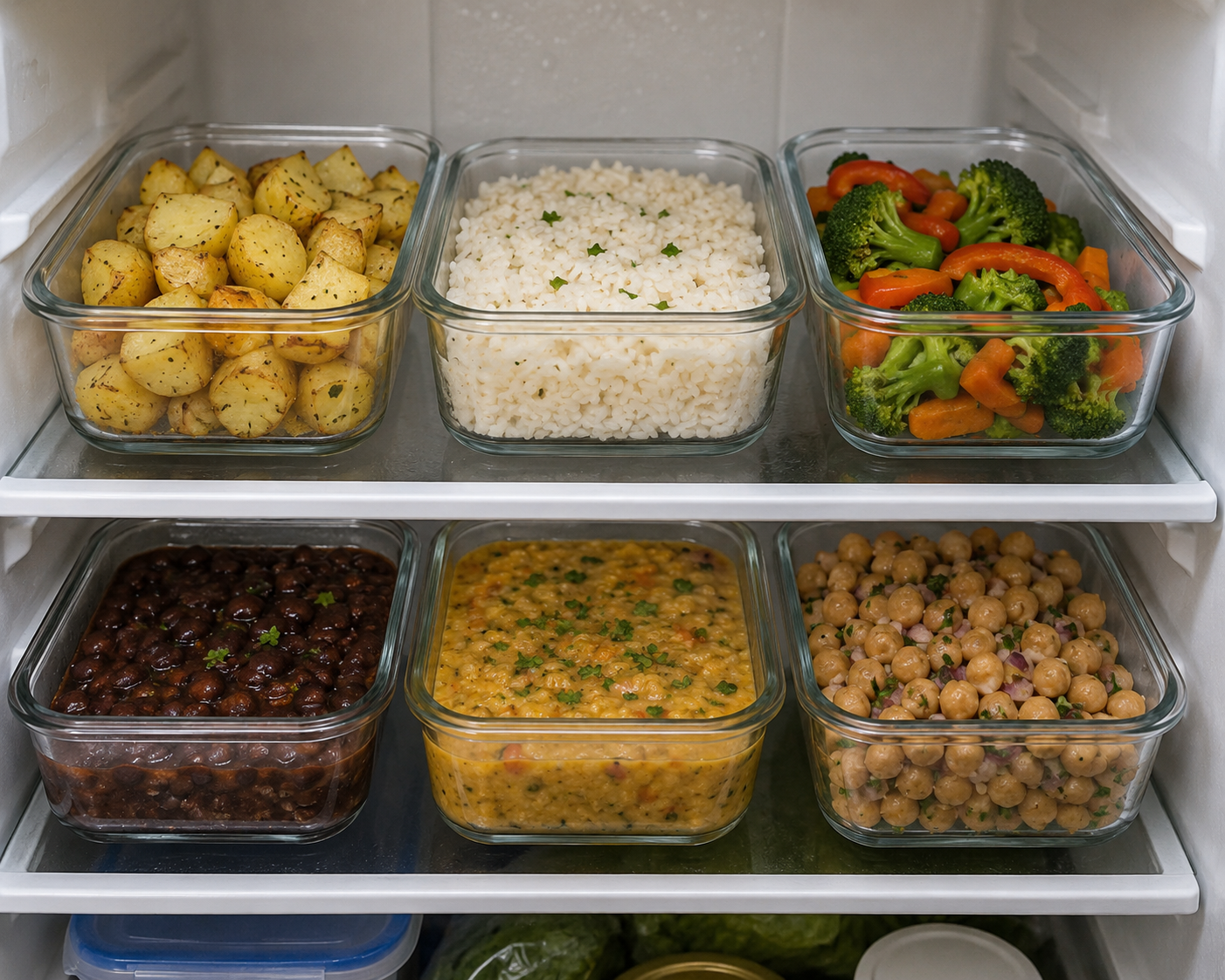
    Leftovers are easier to use when they are stored clearly. Use containers that are easy to see, and keep them near the front of the fridge. If possible, write the date on the container so you know when the food was cooked.

    It also helps to store ingredients separately. Rice, vegetables, and sauce can be combined later in different ways. This gives you more options than storing one fully mixed meal.

    Make a habit of planning one leftover meal

    You do not need to plan every meal perfectly. One simple habit is to plan one leftover meal during the week. For example, cook extra rice on Monday and use it for fried rice on Tuesday.

    This small habit can save time, reduce waste, and make cooking feel less stressful.

    Useful pages

    You may also like these related pages:

    Final thoughts

    Easy leftover meals are mostly about noticing what is already available. A few
    small portions of food can become a useful meal when they are combined with simple
    pantry ingredients.

    Start with one leftover ingredient, add something fresh or filling, and keep the
    meal simple. This is one of the easiest ways to cook with less waste and spend
    less money.

  • Budget Cooking Ideas

    Budget Cooking Ideas

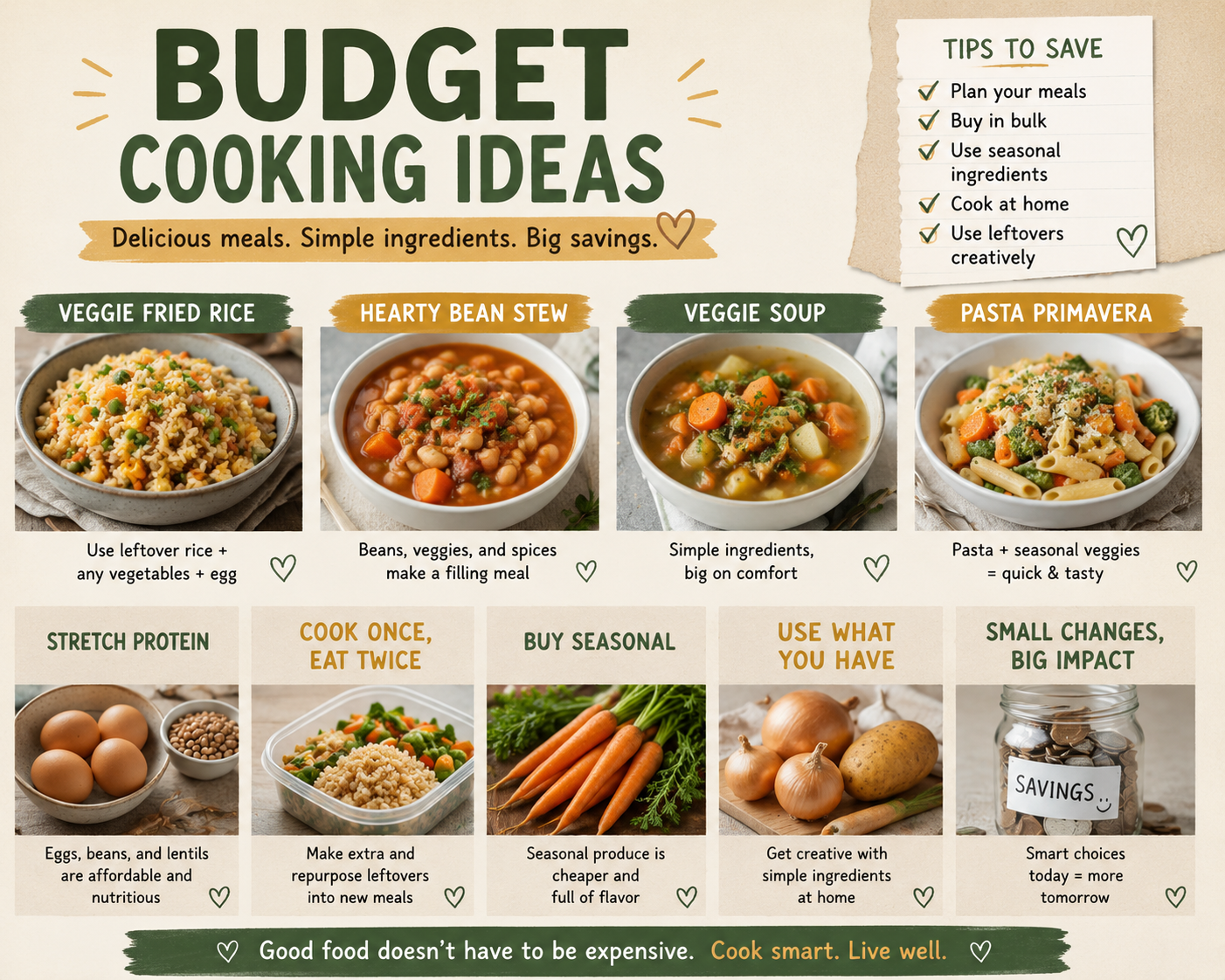
    Budget cooking ideas with simple meals and money-saving tips
    Simple budget cooking ideas for everyday meals

    Cooking on a budget does not have to mean eating the same boring meals every day. With a few basic ingredients, simple planning, and a little creativity, you can make filling meals without spending too much.

    This page collects practical budget cooking ideas for everyday life. The focus is on simple ingredients, low-waste meals, and flexible dishes that can be changed depending on what you already have at home.

    Start with basic ingredients

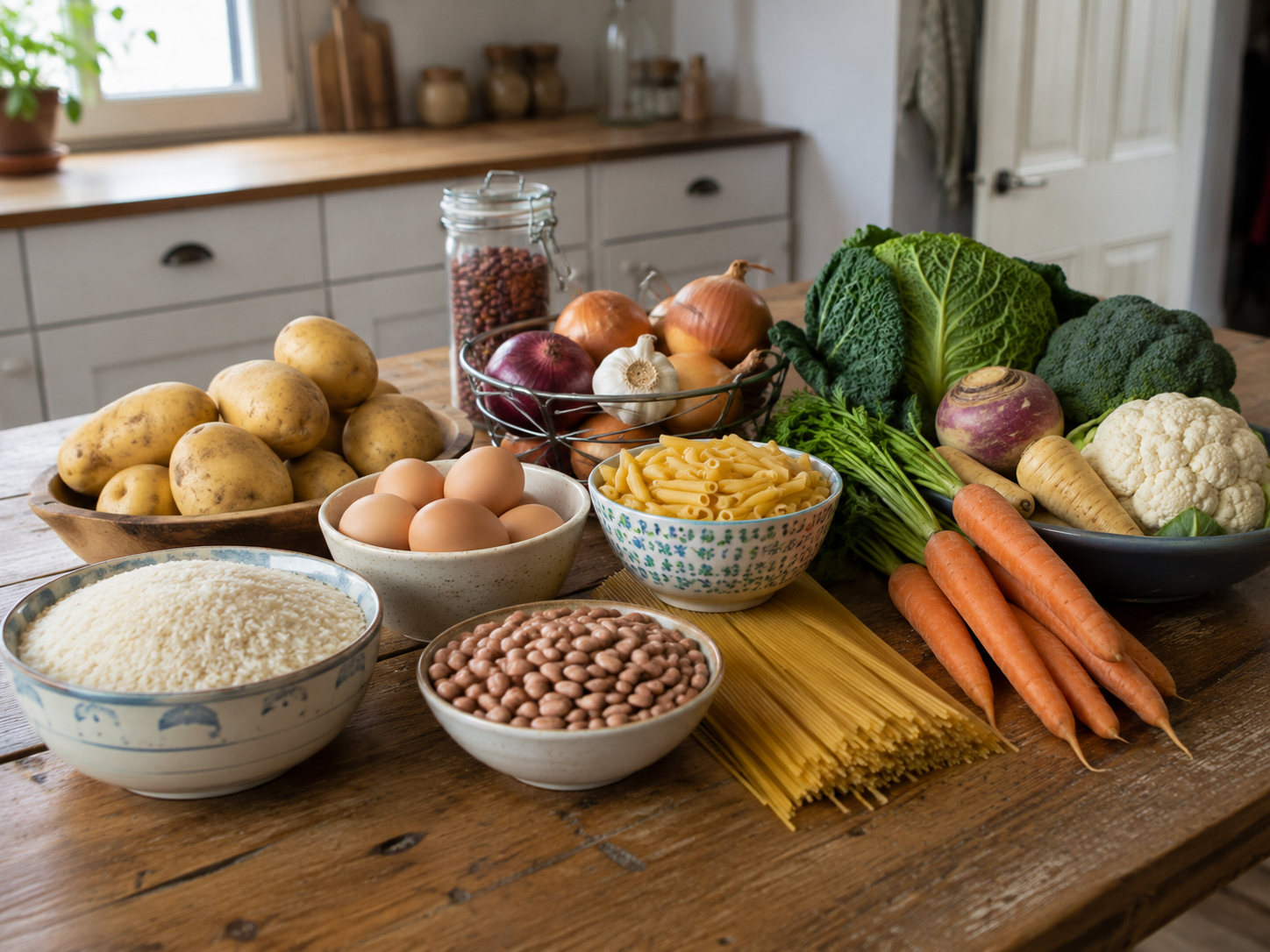
    The easiest way to cook on a budget is to keep a small list of reliable ingredients at home. Rice, pasta, potatoes, beans, lentils, eggs, oats, onions, carrots, and canned tomatoes can be used in many different meals.

    These ingredients are usually affordable, easy to store, and flexible. For example, potatoes can become soup, roasted potatoes, a simple casserole, or a side dish. Rice can be used for bowls, fried rice, soups, or quick vegetable meals.

    Good budget ingredients to keep at home:

    • Rice
    • Pasta
    • Potatoes
    • Beans and lentils
    • Eggs
    • Oats
    • Onions and carrots
    • Canned tomatoes
    • Seasonal vegetables
    • Basic spices

    Plan meals around what you already have

    Before buying more food, check what is already in your kitchen. Many meals can be built around one or two ingredients that need to be used soon.

    If you have leftover rice, make fried rice or a rice bowl. If you have vegetables, add them to soup, pasta, or an omelette. If you have bread that is getting dry, use it for toast, croutons, or a simple baked dish.

    This habit helps reduce waste and makes weekly shopping easier.

    Use one ingredient in several meals

    A useful budget cooking habit is to buy ingredients that can be used more than once. For example, a bag of carrots can be used in soup, salad, fried rice, and pasta sauce. A pack of eggs can be used for breakfast, omelettes, fried rice, or simple sandwiches.

    This makes shopping easier and prevents buying too many products that are only needed for one recipe.

    Example:

    One bag of potatoes can become:

    • Potato soup
    • Roasted potatoes
    • Bratkartoffeln
    • Potato salad
    • A simple vegetable casserole

    Simple budget meal ideas

    Budget meals do not need to be complicated. The best everyday recipes are usually simple, flexible, and easy to repeat.

    Here are a few easy ideas:

    • Pasta with tomato sauce and vegetables
    • Rice bowl with beans, vegetables, and egg
    • Potato soup with carrots and onions
    • Lentil stew with canned tomatoes
    • Omelette with leftover vegetables
    • Fried rice with egg and frozen vegetables
    • Baked potatoes with simple toppings
    • Oats with fruit or yogurt

    Buy seasonal and frozen vegetables

    Seasonal vegetables are often cheaper and taste better. They are a good choice for soups, casseroles, salads, and simple side dishes.

    Frozen vegetables are also useful for budget cooking. They last longer, are easy to portion, and can be added directly to rice dishes, pasta, soups, and stir-fries.

    Final thoughts

    Budget cooking is mostly about habits. You do not need special equipment or complicated recipes. A few basic ingredients, simple meal ideas, and a little planning can make everyday cooking cheaper and easier.

    Start small. Pick three or four basic meals you like, repeat them during the week, and change the ingredients depending on what you already have.